Table of Contents
- The audit grades your notes, not your software demo
- More reviewers are reading behavioral health charts, and they read them faster
- Audit-ready documentation answers "why this patient, why this level of care, why today"
- How to evaluate clinical documentation software for behavioral health audit readiness
- 1. Coverage: does it review every chart, or a sample?
- 2. Timing: does it catch gaps before signature and before billing?
- 3. Rules: whose standards does it check against?
- 4. Payer fit: does it know what each payer expects?
- 5. Evidence: can it show its work?
- 6. Authorship: who is accountable for the record?
- 7. Privacy: does it handle SUD records under Part 2?
- 8. Integration: does it work with the EMR you already have?
- A vendor scorecard and a demo test that vendors cannot script
- Provider workflow decides whether any of this sticks
- Where Circle fits
- Buy for the reviewer you have not met yet
- FAQs
The audit grades your notes, not your software demo
Most buyers choose clinical documentation software for how quickly it creates notes. Auditors, though, focus on whether the note supports the claim. Try pulling five charts from last month and review them like a reviewer would, using only the CPT code and no extra context. The gaps you find are what the software should help you address.
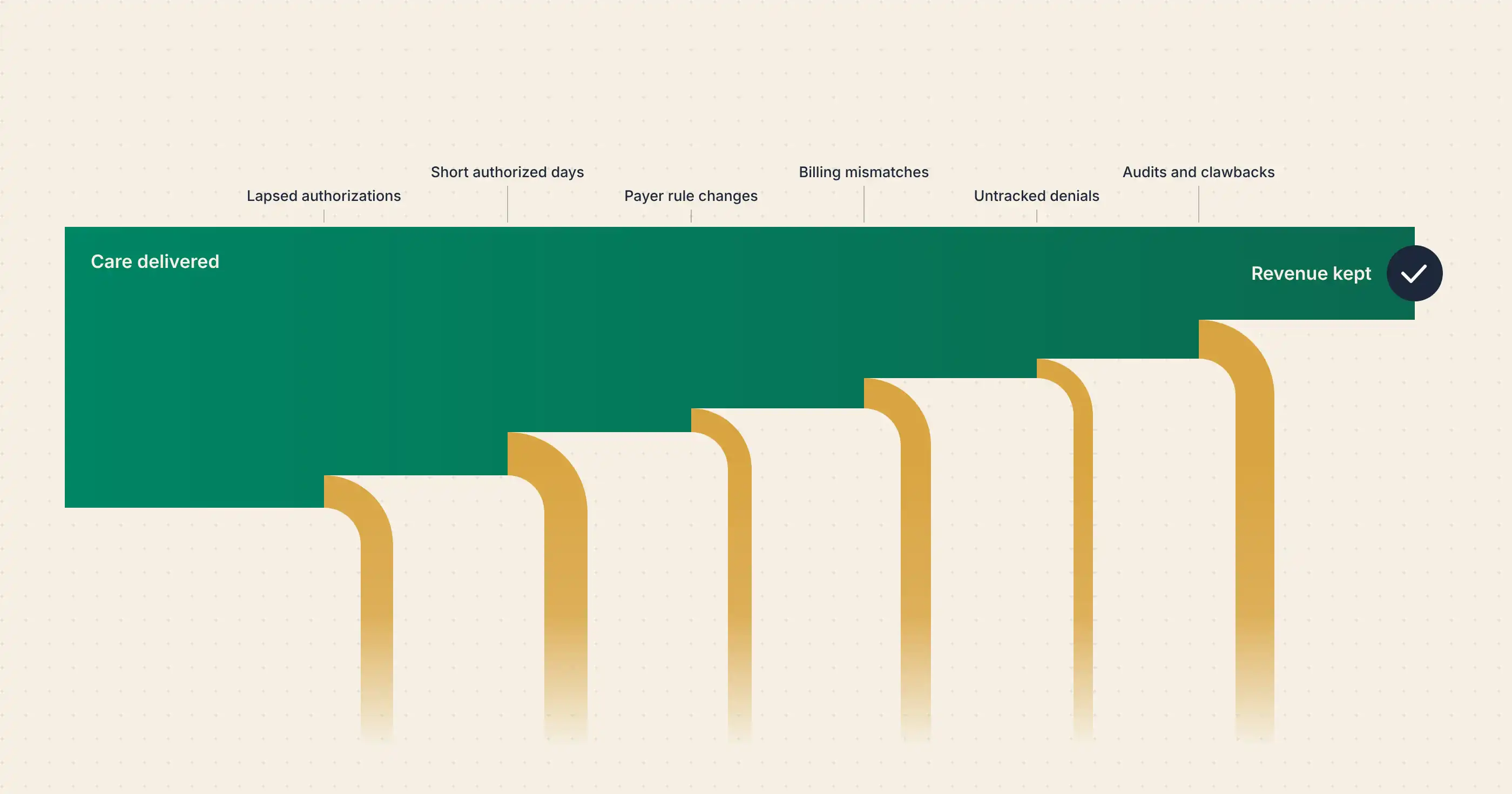
The stakes are not abstract. Across Medicare, Medicaid, and CHIP, CMS says most improper payments happen because reviewers couldn't tell whether the payment was proper. In FY 2025, 77% of Medicaid improper payments traced to insufficient documentation. In outpatient psychiatry, Medicare's improper payment rate hit 16.1% in the 2024 reporting period, and 95% of those errors were missing or insufficient documentation. Incorrect coding was 2.6%.
Simply put, your documentation quality affects your reimbursement. In behavioral health, the chart itself is the claim. If it can't stand on its own in front of a reviewer, the payment was never really yours.
This guide helps behavioral health leaders assess clinical documentation software by focusing on what audits look for: medical necessity, payer rules, timeliness, and authorship. It ends with a scorecard and a demo test you can use with any vendor, including us.
More reviewers are reading behavioral health charts, and they read them faster
Audit readiness used to mean passing an accreditation survey every few years. Now, reviews happen often, sometimes overlap, and are becoming more automated.
Reviewer | What triggers it | What they test |
| HHS-OIG | Work plan priorities, data analytics | Time, signatures, medical necessity, telehealth rules |
| Medicare contractors (MACs, CERT, TPE, UPICs) | Error-rate data, billing outliers | Treatment plans, physician involvement, documentation per service |
| State Medicaid and managed care plans | Program integrity reviews, plan audit tools | State-specific note elements, level-of-care criteria, timeliness |
| Commercial payers | Prepayment review, post-payment records requests | Medical necessity against the plan's own criteria |
| Accreditors (TJC, CARF, COA) | Survey cycle | Policies followed in practice, supervision, consents |
| HHS Office for Civil Rights | Complaints, now including 42 CFR Part 2 | Consent and disclosure of SUD records |
The OIG's nationwide psychotherapy audit clearly shows what goes wrong. Out of 216 sampled enrollee days, providers met Medicare requirements on only 84. The most common issues were basic: missing documentation of psychotherapy time and missing signatures. OIG estimated $580 million in improper payments out of about $1 billion paid. None of these were clinical failures. All were records that couldn't prove what happened.
Medicaid shows the same pattern on a bigger scale. OIG's audits of ABA programs keep finding the same thing: in Colorado, all 100 sampled enrollee-months had at least one improper or possibly improper claim line, totaling at least $77.8 million. OIG recommended basic documentation fixes: session notes that match the billed code, signatures, and a clear definition of billable time.
Two changes will make this harder in 2026.
- Outlier detection is now the trigger. Compliance consultants talk about audit letters that say "utilization significantly exceeds peer norms." If a practice bills 90837 much more than the regional or national average, it stands out before anyone even reads a note.
- Part 2 now has teeth. Compliance with the updated 42 CFR Part 2 rule was required by February 16, 2026, and OCR now accepts complaints and can open investigations for SUD record violations.
Reviews are becoming automated. Medicare's WISeR model, launched in January 2026 in six states, pays tech companies to handle prior authorization and prepayment reviews with AI-powered tools. The first service list doesn't include behavioral health, but the trend is clear. Reviewers can now check every chart, so each one needs to be ready.
Scrutiny goes both ways, which matters when you appeal. When OIG audited a Pennsylvania behavioral health Medicaid plan, none of the 100 sampled prior authorization denials met all requirements. A denial is an administrative decision, not a clinical one. Having a clean record lets you treat it that way.
Audit-ready documentation answers "why this patient, why this level of care, why today"
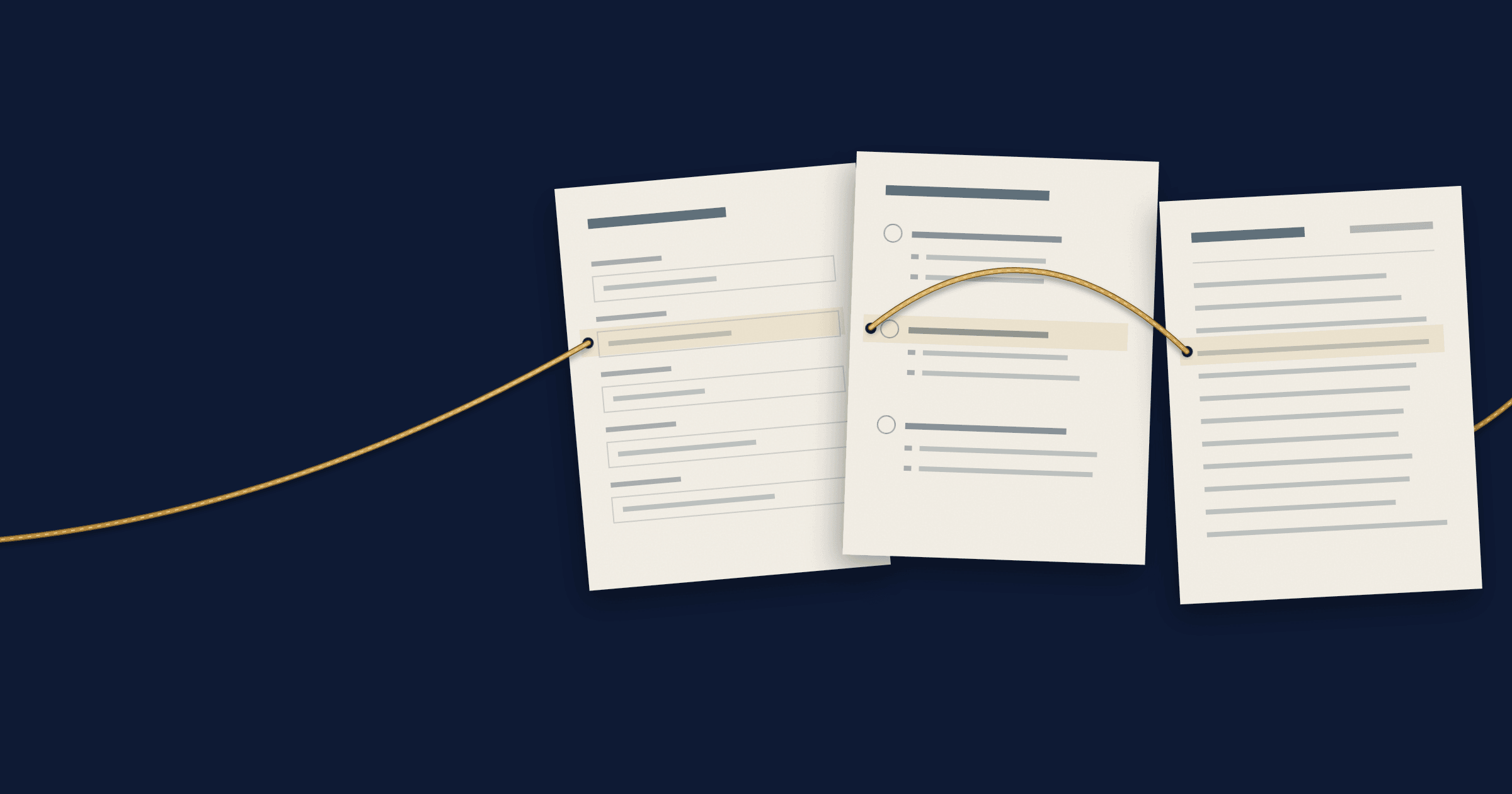
Medical necessity documentation isn't just a section of the note. It's a thread that connects the assessment, treatment plan, and today's entry, and reviewers look for that connection. Medicare's guidance for outpatient psychiatric services says the treatment plan must include the type, amount, frequency, and duration of services, the diagnoses, and the expected goals. In our experience, most issues come from a broken link in that thread, not a missing note.
What reviewers look for, in the order they usually find problems.
- The diagnosis and the goals connect. A major depressive disorder diagnosis paired with a goal of "improve communication skills" reads as a lack of diagnostic linkage.
- The note shows intervention and response. "Client discussed stress at work; therapist provided support" tells a reviewer nothing about what was done or why it helped.
- Measure progress, don't just state it. Use a baseline score and reassessments on the schedule your policy sets. If your policy says every 30 days and clinicians can't meet that, the missed schedule becomes the finding.
- Time, signatures, and credentials hold up. Start and stop times for time-based codes, signatures within your required window, the right credential signing the right document.
- The level of care is justified by the payer's criteria. ASAM dimensions for SUD, LOCUS or CALOCUS-CASII for mental health, or the plan's own medical policy.
- Each note should be specific to the session. Medicare contractors have said for years that copied documentation doesn't meet medical necessity requirements and can lead to denial and recoupment. Copying notes is the quickest way to turn a good clinician into an audit issue.
- The supporting paperwork exists. Telehealth consent, patient location for telehealth sessions, supervision notes, and consents for any ambient recording.
None of this is new. What's changed is how often it happens and what the consequences are. A Medicare Targeted Probe and Educate review picks 20 to 40 claims, gives you 45 days to submit records, and can go through three rounds. If you fail all three, CMS may put you on 100% prepayment review or apply your error rate to claims they never checked. Commercial and Medicaid plans have their own, often shorter, timelines. You can't create medical necessity after the fact, and a late addendum without proper attestation can add risk instead of fixing the problem.
How to evaluate clinical documentation software for behavioral health audit readiness
Behavioral health documentation software falls into three categories. Each one solves part of the problem, and most organizations use more than one.
Category | What it does well | Where audit risk slips through |
| EMR note templates | Required fields, structure, storage | Checks that a field is filled, not whether it proves medical necessity |
| AI scribes and dictation | Drafts notes fast from the session | Can omit or invent details; repeated phrasing can read as cloned |
| Chart review and compliance tools | Checks records against payer, accreditor, and internal rules | Value depends on coverage, timing, and whose rules it knows |
The main evaluation question for all three is: what happens to a weak note before it becomes a claim? These eight criteria help answer that.
1. Coverage: does it review every chart, or a sample?
In our experience, quality teams typically review only 10% to 20% of records. When a reviewer leaves, teams often move to quarterly audits of a few hundred charts across all programs. While sampling reveals your error rate, it leaves 80% of charts unchecked. Payers may use those unreviewed charts to estimate errors. Find out how many active charts the software reviews and how frequently.
2. Timing: does it catch gaps before signature and before billing?
Feedback that arrives a month later isn’t useful for learning. Quality leads we speak with all want the same thing: clinicians should see messages like "objective 1 has no measurement" on the same day, while the session is still fresh. Ask when the check happens in the workflow—during drafting, before signature, before the claim goes out, or only after everything is done.
3. Rules: whose standards does it check against?
Saying "compliance" isn't enough. Your audits depend on specific payers, state Medicaid programs, accreditors, and your own policies, each with its own checklist. Good clinical documentation software should let you load those rules once—such as a managed care plan's audit tool, ASAM or LOCUS criteria, or your 24-hour signature policy—and apply them to every chart. Ask how long it takes your team to add or change a rule, and whether you need the vendor’s engineers to help.
4. Payer fit: does it know what each payer expects?
One payer might accept an IOP note that another rejects. Software that treats all payers the same can miss important details that lead to clawbacks. Ask if you can set rules for each payer, level of care, and state, and if the software can respond to a payer’s records request with citations from the chart.
5. Evidence: can it show its work?
Auditors will not accept "the AI said it was compliant" as an answer. Every flag and every pass should link to the source document and the rule it checked. Ask to see the trail for one finding, from the rule to the sentence in the chart.
6. Authorship: who is accountable for the record?
Reviewers sometimes question whether clinicians actually wrote AI-drafted notes. Pick software where clinicians review and sign every note, edits are tracked, and nothing enters the EMR without staff approval. A signature alone is not enough. In a 2026 UC Davis Health study, 18% of notes from an AI scribe had omissions, 11.5% had hallucinations, and about 15% of notes with edit data were left unedited. Scribes that produce nearly identical notes each session can also trigger the cloning pattern that Medicare contractors reject.
7. Privacy: does it handle SUD records under Part 2?
Check if the vendor signs a BAA, acts as a Qualified Service Organization for Part 2 records, where data is stored, and whether patient data is used to train models. Make sure these answers are included in the contract, not just mentioned in the sales pitch.
8. Integration: does it work with the EMR you already have?
Replacing your EMR just to improve documentation can take years. Ask if the tool can read from your current EMR, what it writes back, and what happens to clinician workflow if the integration does not work.
A vendor scorecard and a demo test that vendors cannot script
Score each vendor from 0 to 2 on every item. If the total is less than 12 out of 16, the tool is just for note-writing, not for audit readiness.
Criterion | 0 points | 1 point | 2 points |
| Chart coverage | Manual sampling only | Scheduled batch reviews | Every active chart, continuously |
| Timing | Retrospective only | Before billing | Before signature and before billing |
| Custom rules | Vendor-defined only | Vendor configures on request | Your team edits rules in plain language |
| Payer specificity | One generic standard | Per level of care | Per payer, level of care, and state |
| Evidence trail | Pass/fail score | Flags with document | Flags with document, sentence, and rule |
| Authorship controls | Auto-finalized notes | Clinician signs | Clinician signs, edits logged, staff approve EMR sync |
| Part 2 and privacy | BAA only | BAA plus QSO | BAA, QSO, US storage, no training on identifiable data |
| EMR integration | Replace or re-enter | One-way export | Reads and syncs with your current EMR |
The demo test
Vendors often rehearse demos using perfect sample charts. Instead, bring your own charts that had issues:
- Before the demo, select five de-identified charts that failed a previous audit or had a records request finding. If you use real records, sign a BAA first.
- Give the vendor the audit tool or criteria the reviewer used.
- Ask the software to review the charts live. Count how many real findings it identifies and how many it explains with a citation to the chart.
- Have a clinician on your team change one rule, such as a new reassessment interval, and then run the review again. Measure how long it takes.
- Request a draft answer to a real records request question, including the sources.
These demo questions quickly reveal any gaps.
- "Show me a note that passed and explain why it passed."
- "What happens when a clinician copies forward last week's interventions?"
- "How does this handle a residential patient stepping down to IOP, when the documentation clock resets?"
- "Which payers' rules are loaded today, and who maintains them when policies change?"
- "What do you need from us, and what does our team still do by hand?"
The step-down question is often the fastest way to see which tools stand out. Quality leaders note that contingent forms—where timelines reset at a new level of care—are where spreadsheets remain even after the EMR is in place.
Provider workflow decides whether any of this sticks
Even the best compliance rules will not work if clinicians feel like they are being monitored too closely. Two things influence whether people actually use the tool.
First, feedback should arrive during the clinician’s regular work, in simple language, with a clear solution. If a note returns three weeks later with "insufficient" in the margin, it only causes frustration. A prompt before signature that says, "The treatment plan objective has no measurable target," helps create a better note. Present the software as a coaching tool, and measure its success by tracking fewer repeat findings per clinician over 90 days.
Second, the tool must save time, or clinicians will avoid using it. Most teams are willing to spend less time writing and a bit more time reviewing drafts. In our experience, organizations that combine drafting with pre-signature review help clinicians complete compliant, signed notes about 70% faster.
Watch for three adoption risks during a pilot.
- Template mismatch: A scribe built for outpatient mental health may not work with a residential SUD program’s forms. Always test with your own templates.
- Alert fatigue: If every note receives ten flags, clinicians will stop reading them. Ask the vendor how they prioritize alerts.
- Ownership gaps: Decide who owns each flag—the clinician, supervisor, or utilization reviewer. Software that assigns gaps to an owner gets them fixed. Software that only reports gaps is often ignored.
Remember to include the person who handles records requests in your evaluation. This is often a quality director or biller, and they deal with the consequences of weak notes. Ask them how long the last request took.
Where Circle fits
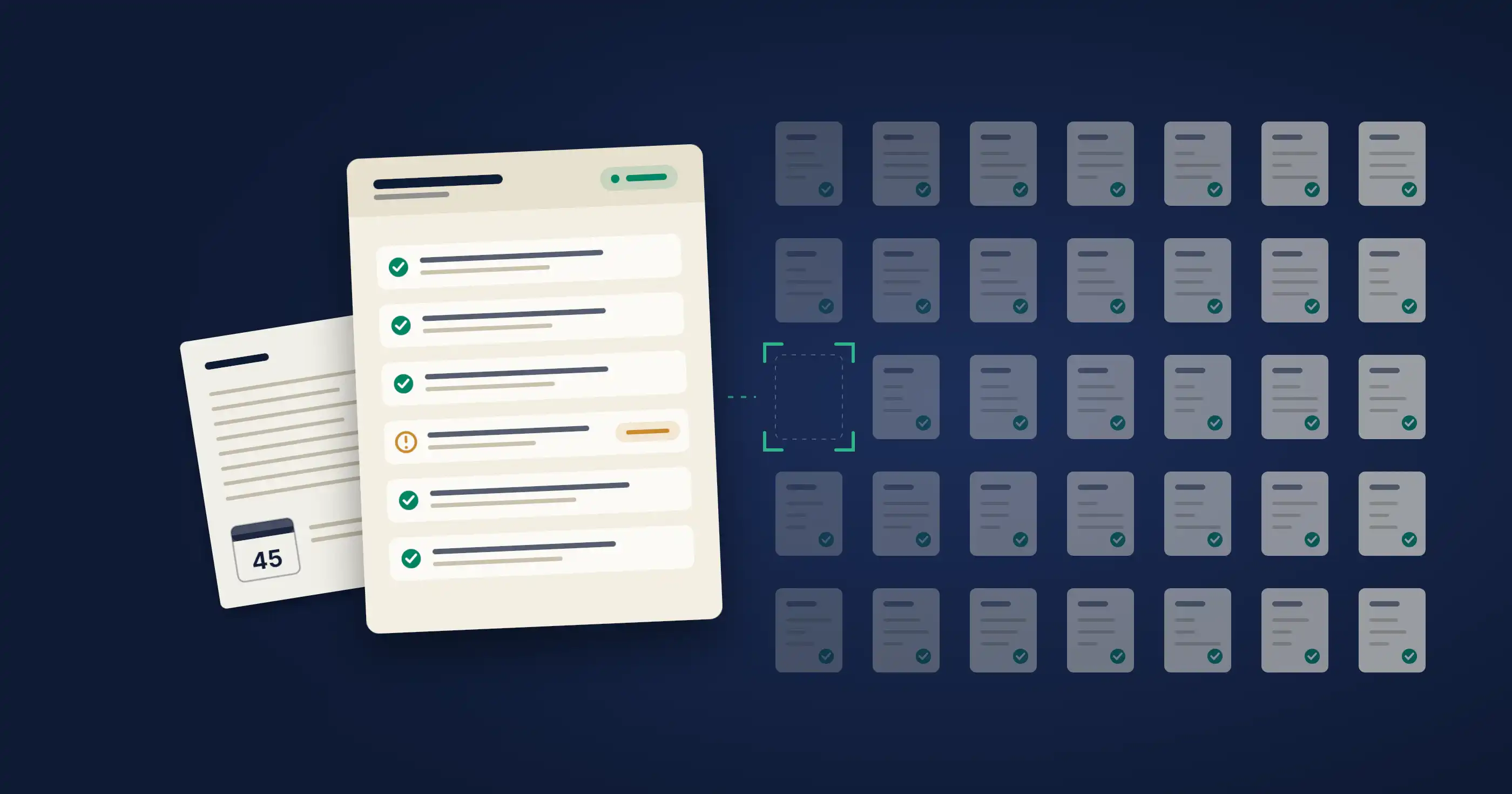
We built Circle to address the needs described in the second half of this guide. Circle is a payer relationship system for healthcare operators. It works with your EMR, reviews every active chart, and checks each one against the rules set by payers, accreditors, and your own organization. Any gaps become action items with an assigned owner before signature and before the claim is sent.
In practice, this means reviewing all charts, not just a sample; drafting documentation in your own templates; and checking it against payer criteria before a clinician signs. It also means answering 500-page records requests in 30 minutes. Circle works with any EMR and healthcare systems. Clinicians sign every note, and nothing enters the EMR without staff review.
Try the demo test we described above. Bring the charts that did not pass.
Buy for the reviewer you have not met yet
Every behavioral health organization will eventually receive an unexpected records request. The only thing you can control is what your charts show when that happens. Choose software that ensures every chart is ready.
Identify your five most problematic charts this week. Then ask each vendor to show you what they would have found.
FAQs
What is clinical documentation software?
Clinical documentation software helps clinicians create, review, and store patient care records, including assessments, treatment plans, and progress notes. In behavioral health, the strongest tools also check those records against payer and accreditation rules. Circle Health adds that layer on top of your EMR, reviewing every chart against each payer's criteria before claims go out.
What does audit readiness mean in behavioral health?
Audit readiness means any chart can be pulled and defended without rework: medical necessity is clear, time and signatures are present, and level-of-care criteria are documented. It is a continuous state, not a pre-survey project. Circle Health supports audit readiness by reviewing 100% of active charts and routing gaps to the clinician or supervisor who can fix them.
Why do behavioral health claims fail audits?
Most failures are documentation failures, not clinical ones. In Medicare outpatient psychiatry, 95% of improper payments in the 2024 reporting period traced to missing or insufficient documentation. Common causes include undocumented time, missing signatures, and notes that do not tie back to the treatment plan. Circle Health flags those gaps before signature, while they are still easy to fix.
How is behavioral health software different from a general medical EMR?
Behavioral health software has to handle group notes, level-of-care criteria such as ASAM and LOCUS, measurement-based care, and 42 CFR Part 2 consent for SUD records. General medical EMRs often treat these as add-ons. Circle Health works alongside behavioral health and general EMRs, applying behavioral-health-specific rules to the records you already keep.
Can AI scribes create audit risk?
Yes, if notes go out unreviewed or generic. A 2026 UC Davis Health study found omissions in 18% of evaluated AI-scribe notes and hallucinations in 11.5%, and Medicare contractors treat near-identical notes across sessions as cloned documentation. AI-drafted notes need clinician review, session-specific content, and a logged edit trail. Circle Health drafts notes in your templates, flags copied-forward language, and requires clinician sign-off before anything syncs to the EMR.
How often should we audit our own charts?
Most organizations review charts monthly or quarterly. This helps find trends, but many charts never get reviewed. A better approach is to review charts continuously and focus on high-risk codes and care levels as needed. Circle Health does this by automatically checking every active chart, so your team can spend audit time fixing problems instead of looking for them.
What should a clinical documentation software demo include?
Test the software on your own charts that failed a past audit, using the same standards as the reviewer. See how many issues it finds, check that each one links to the right spot in the chart, and note how quickly your team can update a rule. Circle Health lets you run this kind of test and can use a payer's audit tool or your own checklist as a rulebook you can reuse.
Does 42 CFR Part 2 affect documentation software choices?
Yes. Beginning February 16, 2026, organizations with SUD records must follow the new Part 2 rule, and the HHS Office for Civil Rights now enforces it. Your vendor should sign a BAA, act as a Qualified Service Organization, and manage how data is used. Circle Health is a HIPAA business associate and Part 2 QSO, and does not train on patient data that can be identified.