Table of Contents
Interest in GLP-1s for alcohol use disorder is increasing, and recent randomized trials show promising results. In a 2026 study with 108 adults who had alcohol use disorder and obesity, those given semaglutide along with cognitive behavioral therapy had 13.7 percentage points fewer heavy-drinking days than those who received therapy and a placebo.
These findings have limitations. They also bring up practical questions for treatment providers, such as who might benefit, how to monitor treatment, and how medication works with behavioral care.
For providers, the goal is more than just lowering a craving score. It also means helping patients notice their triggers, practice helpful responses, and make progress that lasts in daily life.
What the research shows on GLP-1s for alcohol use disorder
GLP-1 receptor agonists affect appetite and the brain’s reward pathways. Researchers are studying if these effects can also change alcohol use and craving. The results look promising, but how we interpret them depends on who was studied, how the study was done, and what outcomes were measured.
A 2025 randomized trial included 48 adults with alcohol use disorder who were not seeking treatment. Over nine weeks, low-dose semaglutide lowered the amount of alcohol consumed in a lab task, weekly craving, and drinks per drinking day compared to placebo. However, it did not significantly reduce the number of drinking days or the average drinks per day. This is important because improvement in some measures does not mean improvement in all areas.
A 2026 randomized trial followed 108 adults with alcohol use disorder and obesity who were seeking treatment for 26 weeks. Participants got either semaglutide or placebo, and both groups had standard cognitive behavioral therapy. Both groups drank less heavily, but the semaglutide group improved more, with a 13.7-percentage-point greater reduction in heavy-drinking days.
| Participants | 48 adults with alcohol use disorder, not seeking treatment | 108 treatment-seeking adults with alcohol use disorder and obesity |
| Duration | 9 weeks | 26 weeks |
| Treatment | Low-dose semaglutide vs. placebo | Semaglutide vs. placebo, both with cognitive behavioral therapy |
| What improved | Alcohol consumed in a lab drinking task, weekly craving, drinks per drinking day | Heavy-drinking days (13.7 percentage points more than placebo) |
| What did not change significantly | Number of drinking days, average drinks per calendar day | Gastrointestinal adverse events were more frequent with semaglutide |
| Source | PubMed | PubMed, NIH summary |
The second study makes a stronger case for more research. It also shows that medication was tested as part of a treatment program that included behavioral care.
It does not show that semaglutide works the same for people without obesity, that benefits last after treatment stops, or that a certain habit-change program makes it more effective. The alcohol results also should not be applied to opioids, stimulants, or all GLP-1 medications.
Patient selection and tolerability remain central
Using semaglutide for alcohol use disorder is still off-label in the United States. The prescribing information lists gastrointestinal side effects, possible serious risks, and contraindications to consider for each patient.
In the 2026 alcohol trial, people taking semaglutide had more gastrointestinal side effects. Providers reviewing this new evidence should weigh the potential benefits against whether a patient can tolerate the treatment.
Existing addiction medications are also important to consider. For opioid use disorder, methadone and buprenorphine have strong evidence of effectiveness. Interest in GLP-1s should spur more research, but not replace treatments already proven to help.
How GLP-1s fit with CBT and behavioral care
Along with medication research, behavioral approaches look at how cues, actions, and expected rewards influence each other.
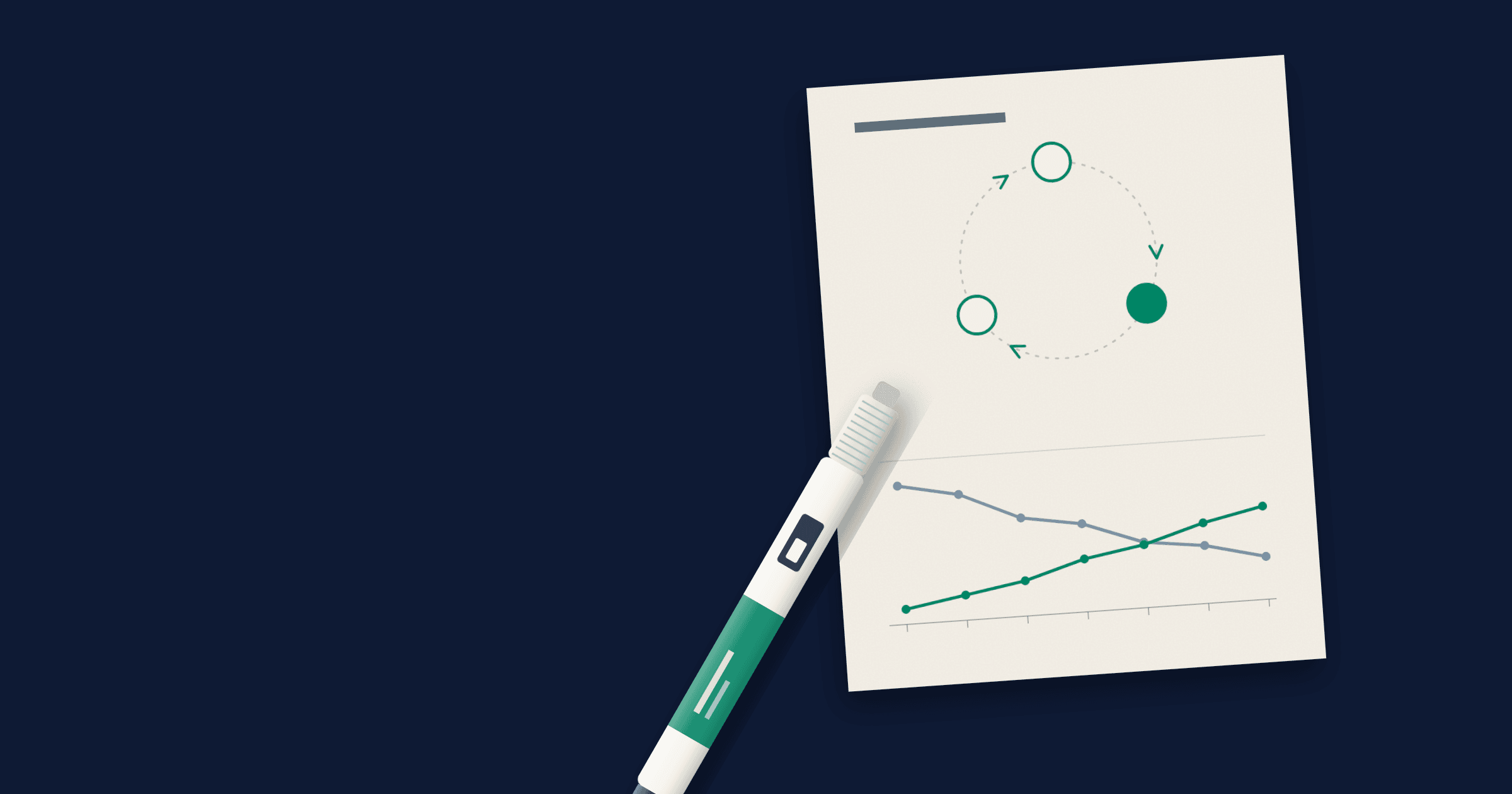
A habit-loop framework helps break down this sequence:
- Trigger: What happened right before the urge?
- Behavior: What did the person do next?
- Reward: What relief or benefit did they expect, and what actually happened?
Research on a mindfulness program for anxiety shows how people can learn to spot these patterns, notice their physical and emotional reactions, and try different responses. This work helps explain the framework, but it is not proof that an anxiety-focused program treats substance use disorders.
For example, a clinician might help a patient look at a common pattern: conflict at home or work, rising tension, an urge to drink, and expecting relief. The next step is to get more specific. What did the patient notice? What responses were possible? What happened when they tried one?
This is just an example for care planning, not an actual patient outcome. Its value is in making the next step clear enough to practice and review.
Addiction is more complicated than just a habit loop. The framework can help organize some of the work, but it does not explain withdrawal, co-occurring conditions, or the situations around substance use.
Behavioral promise deserves the same scrutiny
Mindfulness-based approaches have their own evidence base and limitations.
A 2021 Cochrane review looked at 40 randomized trials on substance use disorders. Compared to other treatments, mindfulness-based interventions may slightly lower the number of days people use substances. Evidence remains unclear for other outcomes, such as abstinence and craving intensity.
This means we should evaluate mindfulness approaches carefully, instead of making broad claims that mindfulness prevents relapse or that any awareness app is helpful.
The same careful approach should be used when looking at GLP-1s. Lower cravings might make it easier for some patients to practice behavioral skills. To show that a certain combination works, we need studies designed to test it.
What to track when patients are on a GLP-1
Conversations between providers bring this topic back to everyday care.
One addiction treatment team said that having measurable coping goals is important for treatment planning. This means finding skills a patient can use in tough moments, setting a timeline, and checking what changed. The team also stressed that progress notes should connect the intervention, the patient’s response, and the treatment plan goal.
Another provider pointed out issues like outdated treatment-plan language, missing explanations for interventions, and follow-ups that didn't carry over from one session to the next.
These points highlight a practical priority for programs testing new treatments: define what improvement means for each person, and make sure follow-up is helpful.
For a patient getting medication and behavioral support, this might involve three questions:
- What is changing? Track cravings and substance use separately, along with the patient’s own goals and how well they tolerate treatment.
- What is the patient practicing? Identify the trigger or situation, what response they tried, and whether it worked for them.
- What needs to happen next? Note any ongoing problems, plan changes, and who will follow up.
A lower craving score is helpful information, but on its own, it does not prove better functioning or lasting recovery. Similarly, attending a session or finishing a digital module does not show whether a patient can use a skill when needed.
Design support around the moment it will be used
Support between sessions should give patients something practical to practice and clinicians something useful to review.
A short exercise linked to a known trigger gives a clearer task than just telling someone to “use coping skills.” In follow-up, discuss whether the patient remembered it, could use it in that situation, and if it helped. If it did not work, change the plan.
Digital tools can help with this process, but measuring engagement requires careful thought. Opening an app, finishing content, practicing a skill, and improving a clinical outcome are all different things. Programs should decide what each measure is meant to answer.
New evidence about GLP-1s makes this work even more important. As medication options change, care teams need ways to track both changes in substance use and the patient’s experience between visits.
The next phase of research should show who benefits from GLP-1s, for how long, and in which treatment settings. Providers can improve care now by setting clear goals, checking real responses, and following up on patients’ ongoing needs.
FAQs
Can GLP-1s help treat alcohol use disorder?
Early evidence is promising. In a 2026 randomized trial of 108 adults with alcohol use disorder and obesity, semaglutide plus cognitive behavioral therapy reduced heavy-drinking days by 13.7 percentage points more than therapy plus placebo. Larger and longer studies are needed to confirm who benefits and for how long.
What does research show about semaglutide for alcohol use disorder?
Two randomized trials point in the same direction. A 2025 trial of 48 adults found semaglutide reduced craving and drinks per drinking day, but not the number of drinking days. A 2026 trial of 108 adults found a greater reduction in heavy-drinking days when semaglutide was added to cognitive behavioral therapy.
Is semaglutide approved by the FDA for alcohol use disorder?
No. Using semaglutide for alcohol use disorder is off-label in the United States. Its prescribing information lists gastrointestinal side effects, potentially serious risks, and contraindications, so providers should assess each patient individually before considering it.
Who might benefit from GLP-1s for alcohol use disorder?
The 2026 trial that showed fewer heavy-drinking days studied treatment-seeking adults with alcohol use disorder and obesity. Research has not shown that semaglutide works the same for people without obesity, that benefits last after treatment stops, or that alcohol findings apply to opioids, stimulants, or every GLP-1 medication.
How do GLP-1s fit with behavioral therapy?
In the 2026 trial, semaglutide was tested alongside standard cognitive behavioral therapy, not as a stand-alone treatment. Lower cravings may make it easier for some patients to practice behavioral skills, but the research discussed here does not show that a specific combination, such as GLP-1s plus mindfulness, improves recovery outcomes.
What should providers track when patients are on a GLP-1?
Track cravings and substance use separately, alongside patient-defined goals and treatment tolerability. Note the trigger, the response the patient tried, and whether it was usable. Then record remaining difficulties, plan adjustments, and who will follow up.
Could GLP-1s replace existing addiction treatments?
No. Current evidence does not support replacing established treatments with GLP-1s. Medications such as methadone and buprenorphine have substantial evidence of effectiveness for opioid use disorder, and GLP-1 findings for alcohol should not be generalized to other substances.